✓ Item added to cart
View Cart


7-Piece Floral-Themed Cotton Table Runner and Placemat Set - Floral Fascination
Learn more >
Sourced
Guarantee
Set your table with delight and style with this seven-piece cotton table runner and placemat collection accented with a glorious floral pattern. Presented by India’s Sandeep Malhotra, these accessories feature a solid white central panel enhanced by red bands that frame colorful screen-printed botanical motifs on the ends. The runner is further enhanced by four tassels, dangling playfully from each corner of the fabric. This must-have set is perfect for both special occasions and everyday dining.
- 100% cotton
- 0.70 lbs
- Table Runner: 73 inches L x 13.8 inches W
- Placemat(s): 12.5 inches L x 18.5 inches W
- Tassel(s): 3.1 inches L
THE STORY BEHIND THE PRODUCT
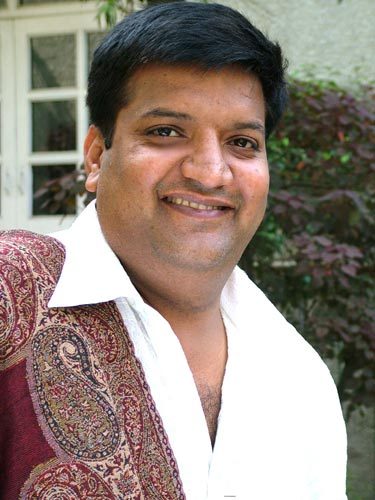
Artisan Organization: Sandeep Malhotra
Country:
"Hello. My name is Sandeep but friends and family call me Prince. I really don't know how I got this name, and I never bothered to ask, because I enjoy it.
"I was born and brought up in Delhi, where I completed all my schooling, then earned a degree at Delhi University. While in school, I was the 'head boy,' so that was really cool. I had lots of fun, but I also had to take on many responsibilities.
"My family has worked with textiles since 1968. In 1991, while I was still studying, I began to get involved in my family's endeavors. After graduating, I partnered with my family in our workshop. My father looks after the yarn spinning, and I handle the making of the textiles.
"We design and create shawls, throws, stoles, cushion covers, table mats, curtains, and more. Some 30 artisans collaborate with us now.
"It is a great opportunity for us to be associated with you. I hope that through this partnership, our family textile business will reach new heights.
"The original jamawar textiles were made by hand. All the motifs were painstakingly done using needle and thread, and it took years to complete one shawl. Due to the intricacy and time it took to make, it was expensive and only the rich and royals could afford it. In Southeast Asia, it was considered a mark of royalty. It was not until the jacquard loom was invented in the late 18th century that jamawar become more affordable and more popular.""


Top Rated


